

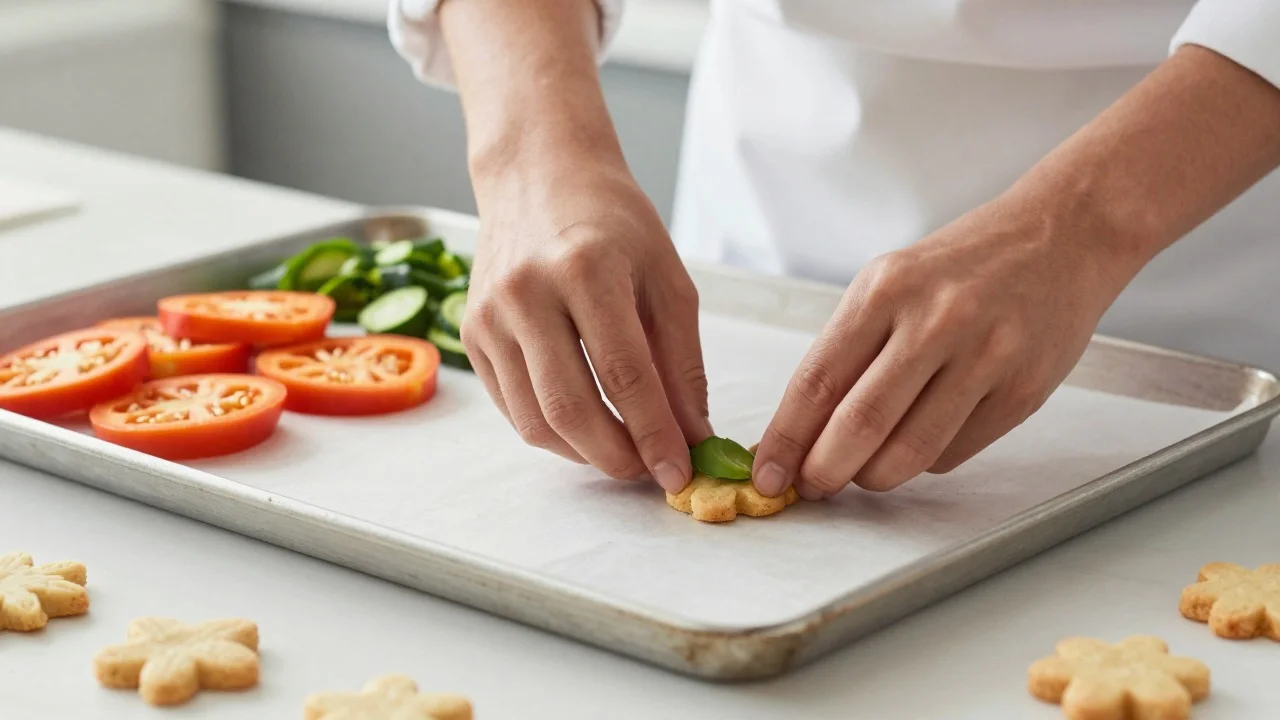
Parchment paper is a heat-resistant, nonstick kitchen liner used for baking, roasting, food prep, and storage. It helps food release cleanly and reduces pan cleanup. For oven use, always follow the temperature limit printed on the package, keep the sheet away from exposed heating elements, and never swap in wax paper.
For Canadian home cooks, the useful question is where this liner improves a recipe. It can help with release, cleanup, and handling without adding extra grease. The right choice still depends on the food, cooking method, appliance, and temperature.
| Quick question | Practical answer |
|---|---|
| What is it? | A treated baking paper designed to resist grease, moisture, and heat |
| What is it mainly used for? | Lining pans, baking cookies, roasting food, wrapping food, and separating items |
| Can it go in the oven? | Yes, when the package says it is oven-safe and you stay within its temperature limit |
| Is wax paper the same thing? | No. Wax-coated paper should not replace an oven-safe liner under direct heat |
| What can replace it? | A silicone mat, greased pan, or foil may work, depending on the recipe |
| Can it go in an air fryer? | Only when the appliance and liner instructions permit it |
| Can it be composted? | Sometimes, but municipal rules vary across Canada |
Key takeaways
- Read the temperature rating on your own package before baking.
- Keep loose sheets away from flames and exposed heating elements.
- Never treat wax paper as an automatic oven substitute.
- Foil and silicone mats can change browning, spreading, or crispness.
- Air-fryer use depends on both the appliance and the liner.
- Canadian composting rules differ by municipality.
What This Baking Liner Is and Why It Works

Most modern baking paper is made from cellulose-based paper treated to resist grease and moisture. Many consumer versions use a silicone coating to create a nonstick surface that also tolerates oven heat. That combination is why baked goods can lift from the pan with less sticking.
Its value goes beyond cookies. Health Canada recipes have used parchment-lined baking sheets for foods ranging from fruit leather to turkey fingers and sheet-pan meals. That makes the liner useful for both sweet and savoury cooking.
The coating does not make every sheet suitable for every heat source. Product temperature limits vary. Broilers, toaster ovens, open flames, and exposed heating elements can create risks that ordinary baking does not.
7 Practical Uses in a Canadian Kitchen
1. Line cookie and baking sheets
A lined sheet reduces sticking and can make cleanup easier. It also creates a consistent surface across metal pans that may have scratches or worn finishes.
The surface can affect the final cookie. Tests comparing foil, silicone mats, and baking paper have found differences in spread, browning, and texture. That means the liner is part of the baking setup, not simply a cleanup tool.
2. Line cake and loaf pans
Cutting a sheet to fit the bottom of a cake pan can help a baked layer release cleanly. For loaf pans, leaving a little excess above two sides can create useful lifting tabs. You may still need grease on exposed pan surfaces. Follow the recipe rather than assuming the liner replaces every preparation step.
3. Roast vegetables and proteins
A lined roasting tray can catch oils, marinades, and caramelized juices. It is especially useful for foods that might stick to bare metal. If your goal is strong browning or a crisp bottom, compare the result with an unlined or foil-lined pan. The surface beneath the food can change heat transfer.
4. Make cooking packets
Baking paper can be folded around fish, vegetables, herbs, and other ingredients to create a sealed packet. The enclosed steam gently cooks the contents while holding in aromatic ingredients. This method is often called cooking en papillote. Leave enough room inside the packet for steam to circulate.
5. Separate foods before freezing
Small squares can separate burger patties, baked goods, or portions of dough before freezing. The layers help pieces release from one another without thawing the whole batch.
Check the package if you plan to store food for a long period. Some Canadian products specifically state that they are freezer-safe.
6. Create a cleaner work surface
A sheet can protect a counter while you shape dough, drizzle chocolate, pipe decorations, or portion sticky mixtures. You can then move the prepared food with less handling.
This use does not require heat, so it can also be helpful for candy making and meal preparation. If you are setting up the rest of the kitchen along the same practical lines, LifeVoria’s home décor ideas for Canadian homes cover more household planning of that kind.
7. Reduce pan cleanup
A liner catches many baked-on drips before they reach the pan. That can shorten washing time after roasting, baking, or reheating. It does not replace routine cleaning. Grease and food can still reach the edges or underside of the pan.
Parchment Paper vs. Wax Paper, Foil, and Silicone Mats
These kitchen materials may look interchangeable in a drawer, but they behave differently under heat.
| Material | Direct oven use | Nonstick qualities | Typical strength | Main caution |
|---|---|---|---|---|
| Baking paper | Yes, within package limit | Strong | Cookies, cakes, roasting, food packets | Keep away from flame and exposed elements |
| Wax paper | No for ordinary direct oven heat | Strong for cold prep | Rolling, separating, wrapping, counter work | Wax coating can melt or smoke |
| Aluminum foil | Commonly suitable for oven cooking | Food may stick unless greased | Roasting, shielding, high-heat tasks | Can produce more browning or crispness |
| Silicone baking mat | Yes, within product rating | Strong | Repeated baking and sticky foods | May change spread or browning in some recipes |
The clearest distinction is between baking and wax-coated paper. Wax paper is useful for cold food preparation, storage, and messy counter tasks, but it should not replace an oven-safe liner under direct heat.
Foil can tolerate heat, but its cooking effect differs. Food Network testing found cookies on foil browned and spread differently from those baked on other surfaces. Silicone mats are reusable, yet they can also change how some doughs spread.
Oven Safety: Read the Package Before You Bake
There is no single temperature limit that should be assumed for every brand. Check the box before putting a sheet in the oven.
For example, Reynolds Kitchens Canada lists its unbleached product as oven-safe up to 425°F, about 218°C. The company also warns users to keep the material away from open flame and oven sides. It advises against use with broiling units or in toaster ovens.
Those instructions are product-specific. Another brand may publish a different limit or list different approved appliances. Trim excess material if it extends far beyond the food or pan. A loose corner can lift in moving hot air and get closer to a heating element.
Air fryers need separate rules
Air-fryer guidance is less universal than conventional oven guidance. Midea Canada says properly fitted sheets can be used in its air-fryer guidance, provided they are secured by food and do not obstruct airflow. Reynolds gives different guidance for its products. It advises against using its standard sheets in an air fryer and sells dedicated perforated air-fryer liners instead.
The safest rule is simple: check both the appliance manual and the liner package. Never preheat an air fryer with an unsecured lightweight sheet inside.
Microwave and freezer use
Some products are labelled for microwave and freezer use. Reynolds Canada, for example, lists both uses for its unbleached product. That does not make the claim universal. Read the packaging before using another brand in either appliance or storage condition.
What to Use If You Run Out
Your substitute should match the job rather than copy the material.
- Use a silicone baking mat for many cookies, candies, and sticky mixtures. Expect possible differences in spread or browning.
- Grease the pan for cakes, muffins, quick breads, and many savoury dishes when the recipe allows it.
- Use foil for roasting or covering food. Grease it if sticking is a concern.
- Use wax paper only for suitable no-heat tasks, such as separating portions or covering a work surface.
- Use the bare pan when a recipe depends on direct metal contact for browning or crispness.
If a recipe was developed around a particular surface, changing it can change the result. For sensitive baked goods, following the original method is usually the simpler choice.
Reuse, Composting, and Disposal in Canada
A clean sheet may sometimes be reused during the same baking session if it remains flat and intact. Discard it if it becomes brittle, heavily browned, greasy, torn, or contaminated with food that makes reuse impractical.
Composting is more complicated because Canadian municipal rules are not uniform. Calgary says parchment and paper bakeware liners can go in its green cart. Toronto provides different sorting instructions for waxed and parchment-type materials.
Packaging claims also need context. A product may carry a compostability certification while a local collection program still refuses that material. Check your own municipality’s waste-search tool before placing used baking liners in a green bin. That approach is more reliable than relying on a general Canada-wide rule.
Choosing a Roll or Pre-Cut Sheets
Rolls work well if you use different pan sizes. You can cut a custom circle for a cake tin, make a long sling for a loaf pan, or tear off a small piece for food prep. Pre-cut sheets save time and tend to lie flat. They can be convenient if you use the same baking trays often.
You may also see bleached and unbleached versions. The visible colour differs, but colour alone should not decide your purchase. Check dimensions, heat rating, approved appliances, coating information, and disposal claims.
A practical kitchen is usually easier to maintain than one filled with single-purpose items, and a liner you actually reach for is worth more than a drawer of specialised gear.
A Simple Rule to Remember
Choose your liner by heat source, recipe, and manufacturer instructions. Use baking paper where you want easy release and simpler cleanup. Choose foil, silicone, grease, or a bare pan when those surfaces better suit the cooking result.
Frequently Asked Questions
Yes, if the package labels it for oven use and you stay within its stated temperature limit. Keep loose edges away from exposed elements, oven walls, and open flame. Do not assume that approval for a regular oven also covers broiling, toaster ovens, or air fryers.
No. Wax paper has a wax coating and is meant mainly for food preparation, wrapping, and other low-heat tasks. An oven-safe baking sheet uses a heat-resistant treatment designed for cooking.
Sometimes. The correct answer depends on your air fryer and the product you are using. Check both sets of instructions, keep airflow paths open, and secure any approved liner beneath food.
There is no single rule for the whole country. Calgary accepts this type of liner in its green-cart program, while Toronto’s sorting guidance differs. Check the waste rules for your municipality before composting it.
Not always. A silicone surface can change spread and browning in recipes such as cookies. If shape, texture, or crispness matters, use the surface specified in the tested recipe.