

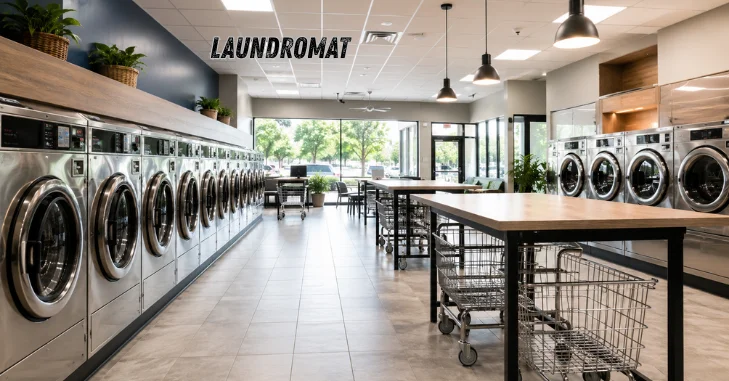
A laundromat is a self-service laundry facility where you pay to use commercial washing machines and dryers. In Canada, payment may involve coins, cards, mobile apps, or a mix of methods. Prices vary by city and machine size, so checking the shop’s current rates before loading your clothes can prevent surprises.
Short answer: expect to sort your clothes, choose a suitable machine, add detergent, pay, wash, move everything to a dryer, and fold your clothes before leaving. A normal trip can take about an hour, though larger loads, busy periods, and machine availability can extend the visit.
| What to know about laundromats | Typical Canadian experience |
|---|---|
| Payment | Coins are common; some locations also accept cards, apps, debit, or credit |
| Washer sizes | Small everyday machines through large-capacity units for bulky loads |
| Published wash prices | Roughly $3 for a small machine to $9 or more for large-capacity machines at sampled Canadian locations |
| Dryer pricing | Often charged in timed increments |
| Wash cycle | Published examples range from about 23 to 39 minutes |
| What to bring | Clothes, detergent, stain treatment, payment method, and laundry bags or baskets |
| Extra services | Some shops offer wash-and-fold, pickup, delivery, or attendant service |
Current examples show how much local pricing can vary. Hi-Tech Coin Laundry in Toronto lists a small washer at $3 and a large washer at $5. Spinz Laundry lists machines from $3 to $9 based on capacity. Sunshine and Sparkles locations publish washer prices ranging from about $3 to $7.50.
Key Takeaways
- Check the payment system first. A coin-only shop requires different preparation than one that uses cards or an app.
- Bring your own detergent when possible. Many facilities sell small packages, but buying by the load usually costs more.
- Sort clothing at home so you aren’t using a folding table during a busy period.
- Large commercial machines can handle bulky items more easily than many household washers.
- Weekday visits may be quieter than weekends at some locations.
- Stay aware of cycle times so other customers aren’t waiting for a finished machine.
How a Laundromat Works in Canada
The basic process is simple, even if you’ve never used a self-service laundry facility before. Machines are usually arranged by capacity, with separate rows or areas for washers and dryers. Start by reading the instructions on the machine you plan to use.
Prices, detergent compartments, payment methods, and cycle choices can differ between locations. A first visit usually follows these steps:
- Sort your clothes before loading. Separate items by color, fabric care instructions, and wash temperature.
- Choose the right washer size. Leave enough room for clothing to move instead of packing the drum tightly.
- Add detergent. Follow the washer instructions because some machines use different detergent compartments.
- Pay for the cycle. Insert the required coins or use the shop’s card, app, or electronic payment system.
- Choose the wash settings. Use garment care labels to guide water temperature and cycle selection.
- Move clothes to a dryer promptly. Select a dryer that gives the load enough room to tumble.
- Fold and pack everything. Check the drum before leaving so socks and smaller items don’t get left behind.
Doing your sorting and stain treatment at home makes the visit faster. It also leaves shared tables free for folding clean laundry. For more practical household and everyday-living topics, browse LifeVoria’s lifestyle guides.
What Does Self-Service Laundry Cost in Canada?
There isn’t one national price. Each business sets its rates based on machine capacity, location, operating costs, and the services it offers. The table below uses published prices from Canadian operators as a practical snapshot rather than a national average. Washing Machine Cleaner is a useful companion read here.
| Canadian location | Example washer pricing | Example dryer pricing |
|---|---|---|
| Hi-Tech Coin Laundry, Toronto | Small $3; large $5 | $0.25 for 7 minutes |
| Spinz Laundry, Kingston/Belleville | 20 lb $3; 30 lb $5; 50 lb $7; 60 lb $9 | $0.25 for about 4 to 5 minutes |
| Sunshine/Sparkles, Ontario | About $3 to $5.75; extra-large around $7.50 | A typical double load about $1.75 to $2.25 |
| Spin City Laundry, Mississauga | 20 lb $4; 40 lb $7; 60 lb $9 | $0.25 for 3 minutes |
These figures show why machine size matters. One oversized washer may cost more per cycle, but it can replace several smaller loads when the items fit safely. Detergent can add another small expense if you buy it on-site. Hi-Tech lists soap at $1, while Sunshine/Sparkles also lists laundry products at about $1 each.
What Should You Bring?
Packing a few things before leaving home makes the whole visit easier.
Bring:
- Your laundry in a basket or strong reusable bag
- Detergent suitable for your clothing
- Stain remover if needed
- Dryer sheets or another preferred dryer product
- Coins if the location uses coin-operated machines
- A bank card or phone if electronic payment is available
- A separate bag for clean clothes
- Anything needed for delicate garments, such as a mesh laundry bag
Don’t assume every shop sells detergent or accepts the same payment method. Check its website, listing, or posted signs first. It’s also smart to inspect pockets at home. Receipts, tissues, pens, lip balm, and loose objects can create a mess inside a commercial washer.
Coins, Cards, and Mobile Payment Can All Be Used
Canada hasn’t adopted a single standard payment system for self-service laundry. Spinz says customers can use coins, while debit and credit are available during attended hours. It also supports the PayRange mobile payment system. Sunshine/Sparkles locations use coins and provide change machines.
That means carrying a small backup payment option is useful during a first visit. An app may require setup, while a change machine could be temporarily unavailable. If a shop uses coins, check which denominations the machines accept. Canadian locations may use quarters, loonies, or another specified combination.
Choosing the Right Machine Size
Don’t select a washer based on price alone. A machine needs enough room to move water and clothing through the load. Smaller machines make sense for an ordinary basket of clothing. Larger units are useful for bedding, several household loads, or bulky washable items.
Spinz publishes washer capacities up to 60 pounds. Sunshine/Sparkles also offers extra-large machines designed for larger loads. Before washing a duvet, comforter, sleeping bag, or other bulky item, read its care label. Some materials need professional cleaning or special handling.
Don’t force a bulky item into a drum that is too small. It may wash unevenly and take longer to dry.
How Long Should You Plan to Stay?
Plan for about an hour when the facility isn’t crowded, then allow extra time for large or slow-drying loads. Hi-Tech lists washing cycles of about 23 minutes. Sunshine/Sparkles publishes washer cycles ranging from roughly 29 to 39 minutes and dryer examples around 27 to 38 minutes.
Your total visit also includes loading, transferring clothing, folding, and waiting for a free machine. Crowds can make the biggest difference. Woodbridge Laundry notes that weekends are its busiest period and suggests weekdays for a quieter visit.
If your schedule allows, try a weekday morning or another off-peak period. You may have more machine choices and folding space.
Simple Etiquette for a Smoother Visit
Shared laundry spaces work well when everyone keeps the machines moving.
Remove finished loads promptly. Set a phone timer so you’re nearby when the cycle ends.
Keep personal belongings together rather than spreading bags across several chairs or tables. Folding surfaces are shared workspaces. Clean up detergent spills and throw away dryer sheets or packaging. If a machine appears damaged, report it rather than trying to force the door, controls, or payment slot.
Don’t place someone else’s clothing on the floor. If a finished machine is blocking access, follow the facility’s posted rules or ask an attendant for help. Finally, check the washer and dryer before leaving. A quick look can save a second trip for one forgotten sock.
When Wash-and-Fold Service Makes Sense

Self-service isn’t the only choice. Many Canadian laundry businesses offer wash-and-fold service for customers who want to drop off clothing and collect it later. The service usually costs more because staff handle washing, drying, and folding. Pricing may be based on weight, with minimum-order rules.
For example, Woodbridge Laundry currently publishes a wash-and-fold rate of $1.69 per pound with a 10-pound minimum. Local pricing and service conditions can differ. Paying for the service may make sense when your time matters more than the added fee. It can also help during travel, a move, a busy workweek, or a temporary washer breakdown.
Making Laundry Easier in a Small Canadian Home
A little organization at home can cut down the time you spend doing laundry elsewhere. Use separate hampers or divided bags for lights, darks, towels, and delicate items. That way, each bag can go straight into the correct machine.
Store detergent, stain remover, dryer supplies, and your payment pouch together. A small container near your laundry basket creates a ready-to-go kit. If limited storage is part of the problem, LifeVoria’s home decor ideas for Canadian homes offer more ways to make everyday spaces easier to manage.
Laundry day is also a good time to inspect your clothes. If shoes need attention instead of replacement, LifeVoria’s shoe repair guide and Canadian cobbler tips can help you decide what is worth repairing.
Your Next Laundry Day
Before heading out, check three details: the location’s current hours, accepted payment methods, and machine prices. Then sort your clothes at home and pack detergent with a backup payment option. Once you’ve used self-service laundry, the process becomes routine.
Choosing the right machine, keeping an eye on your cycle time, and arriving prepared can turn a necessary chore into a much faster household task.
Frequently Asked Questions
Published Canadian examples show small washer cycles starting around $3 to $4, while larger machines can reach roughly $7 to $9 or more. Dryers may charge by timed increments. Your final cost depends on the city, machine size, drying time, and any supplies you buy.
You don’t always have to, because some locations sell single-use laundry products. Bringing your own is usually more convenient and lets you use a product you already know works for your clothes.
Sometimes. Payment systems differ by business. Some facilities remain coin-based, while others support debit, credit, stored-value cards, or mobile apps.
Often, yes, if its care label allows machine washing and the facility has a suitable large-capacity washer. Check the label and machine capacity before loading it.
Policies differ, but staying nearby is safer and more considerate. You can move your load promptly when the cycle ends and respond quickly to any problems.
There is no universal quiet period. Some operators report heavier weekend traffic, so a weekday visit may be worth trying when your schedule is flexible.