

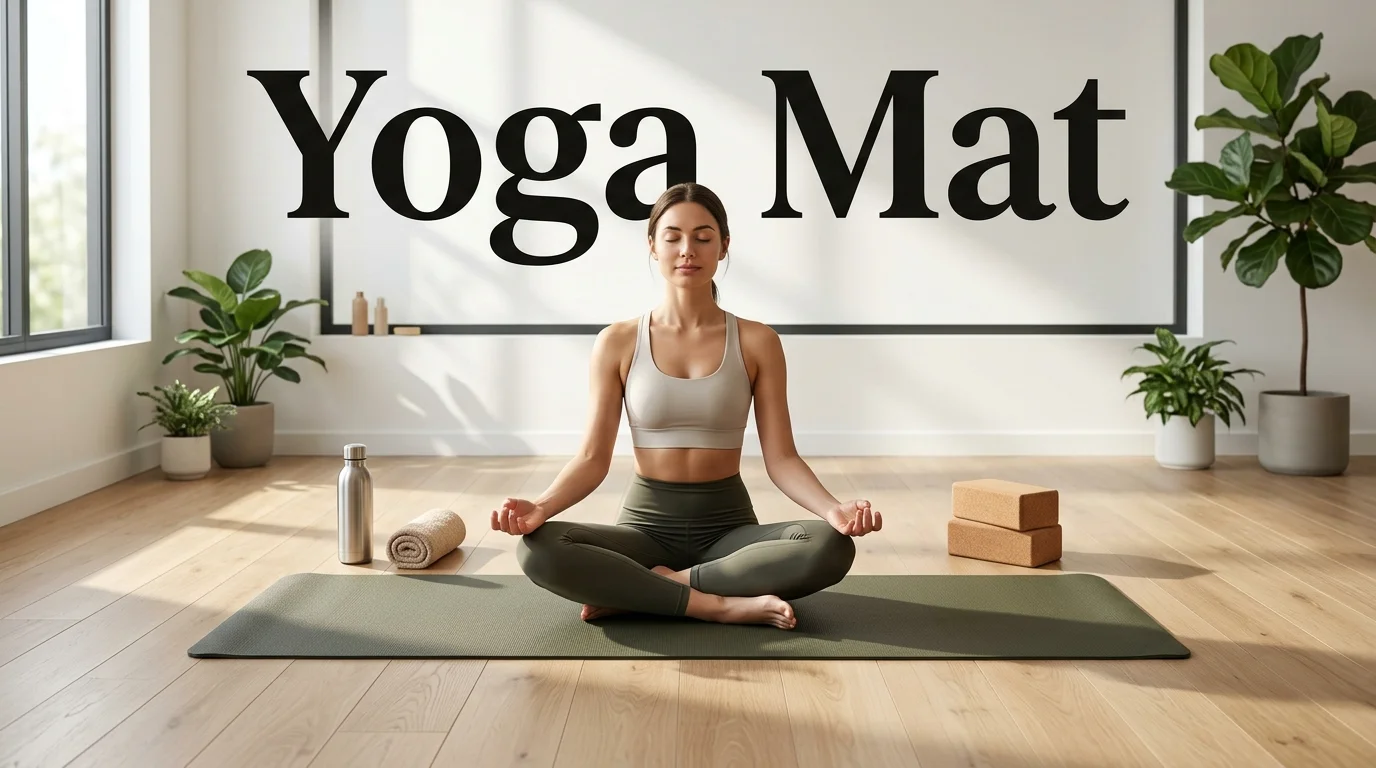
The right yoga mat should make your practice feel stable, comfortable, and easy to repeat. Canadian shoppers now have choices ranging from inexpensive foam models to dense rubber and high-grip premium designs. The key is matching the surface to your body, practice style, floor, sweat level, and routine. Sauble Beach Complete Guide is a useful companion read here.
Short answer: For most Canadians, the safest all-purpose choice is a 4–6 mm mat with dependable grip, enough density to cushion knees and wrists, and a surface that matches how much you sweat. Choose natural rubber or polyurethane for stronger traction, TPE for lighter everyday use, and a thin travel option only when portability matters most.
| Buying decision | Practical starting point |
| Thickness | 4–5 mm for balanced everyday use |
| More cushioning | 6 mm or thicker for slower, floor-based practice |
| Active or sweaty sessions | Prioritize grip before extra padding |
| Material | Compare rubber, TPE, PVC, cork, and PU-top designs |
| Size | Your full body should fit comfortably during reclined poses |
| Portability | Check weight as well as rolled size |
| Home use | A denser mat can make sense if you rarely carry it |
| Canadian shopping | Compare current prices, returns, and local availability |
How to Choose a Yoga Mat in Canada
Start with how you plan to use it. A person attending hot classes three times a week needs something different from someone stretching at home after work.
Thickness gets attention first, but grip deserves equal weight. A soft surface can feel comfortable under your knees yet become frustrating if your hands move during downward-facing poses.
For most general practice, mats around 4–5 mm offer a useful balance between cushioning and floor feedback. Thicker designs can feel better during restorative sessions, but soft foam may make standing balance less precise. Current buying guides from several yoga specialists make the same basic distinction between cushioning and stability.
Compare Materials Before You Compare Colours
Two mats with the same thickness can perform quite differently. Density, surface texture, moisture behaviour, and weight all change the experience.
| Material | Main strengths | Main drawbacks | Good fit |
| TPE | Light, often affordable, easy to carry | Quality and durability vary | Beginners and home users |
| Natural rubber | Dense feel and strong traction | Heavier and may not suit latex-sensitive users | Regular studio practice |
| PVC | Durable and widely available | Environmental profile may concern some buyers | Dry practice and value-focused shoppers |
| Cork | Firm natural surface that can suit warmer sessions | Dry grip can feel different from rubber | Sweaty practice and natural-material buyers |
| PU-top designs | Strong traction, especially as hands become damp | Often cost more and may need careful cleaning | Vinyasa, power, and hot classes |
Natural rubber deserves one extra check. People with latex sensitivity should review the manufacturer’s material information before buying. Material guidance from current yoga equipment sources also notes that rubber, cork, TPE, and PVC have distinct trade-offs rather than one being right for everyone.
Choose Thickness Based on Stability and Comfort
More padding isn’t automatically better. A 3–4 mm design keeps you close to the floor. That can suit active flows, standing work, and people who value stability. It also makes the roll smaller for commuting. Around 4–5 mm is the practical middle ground for many users. Canadian retailers currently sell several models in this range, including 4 mm and 5 mm choices at different price points.
A 6 mm or thicker design adds more cushioning for kneeling, seated poses, stretching, and slower sessions. The trade-off is extra bulk and a softer feeling beneath standing poses. Travel versions can be far thinner. Lululemon Canada, for example, currently lists a 1.5 mm travel model beside its 3 mm and 5 mm options.
Match Grip to How Much You Sweat
A mat that works in a gentle home session may behave differently in a warm studio. If your hands stay fairly dry, a textured surface may provide enough traction. If you sweat heavily, look for a product designed to maintain grip with moisture. A towel can also help during heated classes.
Check both sides. The top needs to hold your hands and feet, while the underside needs to stay planted on wood, laminate, or studio flooring.
Surface texture matters because two mats made from similar materials may provide different levels of friction. Current thickness and grip guides specifically distinguish hand-and-foot grip from the mat’s grip against the floor.
What Should You Expect to Spend in Canada?
You don’t need a premium model to start. As of an August 2026 price snapshot, Decathlon Canada lists options from about $15 CAD, including a 4 mm model, while beginner and thicker designs sit at higher price points. Its higher-grip 4 mm option is listed around $80.
At the premium end of the examples checked, lululemon Canada lists its 3 mm model at $108, its standard 5 mm model at $128, and several specialty designs between roughly $98 and $138.
Prices and stock can change, so treat those numbers as a market snapshot rather than a fixed price guide. Your spending decision should follow frequency. An occasional home user may be satisfied with an affordable model. Someone practising several times each week may place more value on traction, density, durability, and a surface they enjoy using.
Match the Mat to Your Practice Style
| Practice style | What to prioritize | Suggested direction |
| Beginner classes | Stability, moderate cushion, easy care | 4–6 mm TPE or another firm general-use design |
| Vinyasa or power | Grip and firm floor feedback | Dense 3–5 mm surface |
| Hot sessions | Moisture-friendly traction | Rubber, cork, or suitable high-grip top layer |
| Yin or restorative | Cushion and comfort | 5–8 mm if balance is less important |
| Home stretching | Comfort and easy storage | 5–8 mm depending on floor hardness |
| Travel | Low weight and compact packing | 1.5–3 mm travel design |
| Pilates and mixed floor workouts | Cushion and room to move | Firm 5–8 mm option |
Our recommendation: if you don’t yet know your long-term practice style, start around 4–5 mm with a textured surface and moderate density. That setup avoids the two common extremes: a travel-thin surface that feels harsh and an extra-soft fitness mat that feels unstable.
Check Length, Width, and Weight
Standard sizing works for many people, but your height and movement style matter. Lie down mentally before buying. Your head and feet should remain on the surface without constant repositioning. Taller users may prefer extended lengths, while people who enjoy wide stances may appreciate extra width.
Weight deserves more attention if you attend classes. Dense rubber can provide a planted feel, but carrying a heavy roll on public transit changes the value equation.
At home, portability matters less. If you’re building a calm practice area, Lifevoria’s home decor guide for Canadian homes has practical ideas for lighting, floor space, and keeping a room functional.
Cleaning and Storage Affect How Long It Feels Good
Check the manufacturer’s care directions before the first cleaning. Materials respond differently to soaps, sprays, soaking, sunlight, and heat. A simple wipe after sweaty sessions helps keep the surface pleasant to use. Allow it to dry before rolling it tightly, especially after a warm class.
Don’t bury the roll beneath heavy storage where it can become creased or misshapen. If space is limited, Lifevoria’s closet storage ideas for Canadian homes offer useful principles for vertical storage and keeping frequently used items accessible.
You can also browse Lifevoria’s lifestyle guides for more practical ideas around everyday routines and balanced living.
Common Buying Mistakes to Avoid
- Buying the thickest option without considering balance.
- Choosing a smooth surface for a practice where you sweat heavily.
- Ignoring product weight when you walk or commute to class.
- Assuming every “eco” claim means the same thing across brands and materials.
- Ordering by colour before checking material, density, and dimensions.
- Using a thin travel model as a daily surface on a hard floor without first testing comfort.
- Forgetting to check the retailer’s return policy before opening or heavily using the product.
The Verdict for Canadian Shoppers
There isn’t one specification that suits every body and practice. For general use, 4–5 mm with dependable grip is the strongest starting point. Move thicker if floor-based comfort matters more than balance. Go thinner when portability and close floor contact are priorities.
Sweaty practitioners should place grip above softness. Home users can place more emphasis on cushioning and size, since carrying weight matters less.
Before buying a yoga mat, write down three things: where you’ll practise, how much you sweat, and whether you’ll carry it regularly. Those answers will remove more unsuitable options than brand names or colours ever will.
Frequently Asked Questions
For many beginners and general practitioners, around 4–5 mm provides a useful balance of cushioning and stability. A 6 mm or thicker model may feel better for slower floor work. Thin 1.5–3 mm designs make more sense for travel or people who prefer firmer floor feedback.
Not automatically. Extra cushioning can make kneeling more comfortable, but a soft, thick surface may make standing balance feel less stable. Density matters alongside thickness.
TPE and lighter foam designs are often easier to transport than dense natural-rubber models. Always check the listed product weight because material alone doesn’t determine portability.
Prioritize a surface designed for traction with moisture. Rubber, cork, and certain high-grip top layers are common choices. Check the manufacturer’s sweat and cleaning guidance before buying.
Current Canadian retail examples range from inexpensive models priced around $15–$35 to premium mats priced above $100. A beginner doesn’t need to start at the premium end. Focus first on adequate grip, usable thickness, and a size that fits your body.
Often, yes, particularly for low-impact floor exercises. High-friction shoes, heavy equipment, or intense workouts may wear certain yoga surfaces faster, so check the manufacturer’s intended use.